Italian culture fascinates people all over the world, and for those with Italian roots it is also part of their own family history. Here are some facts about the traditions and customs that shape everyday life in Italy.
Family comes first
Family is the foundation of Italian culture. It is common for several generations to live close to one another and get together often, especially for Sunday lunch, which can last all afternoon. Many traditions that emigrants took around the world, such as big gatherings around the table, were born from this custom.
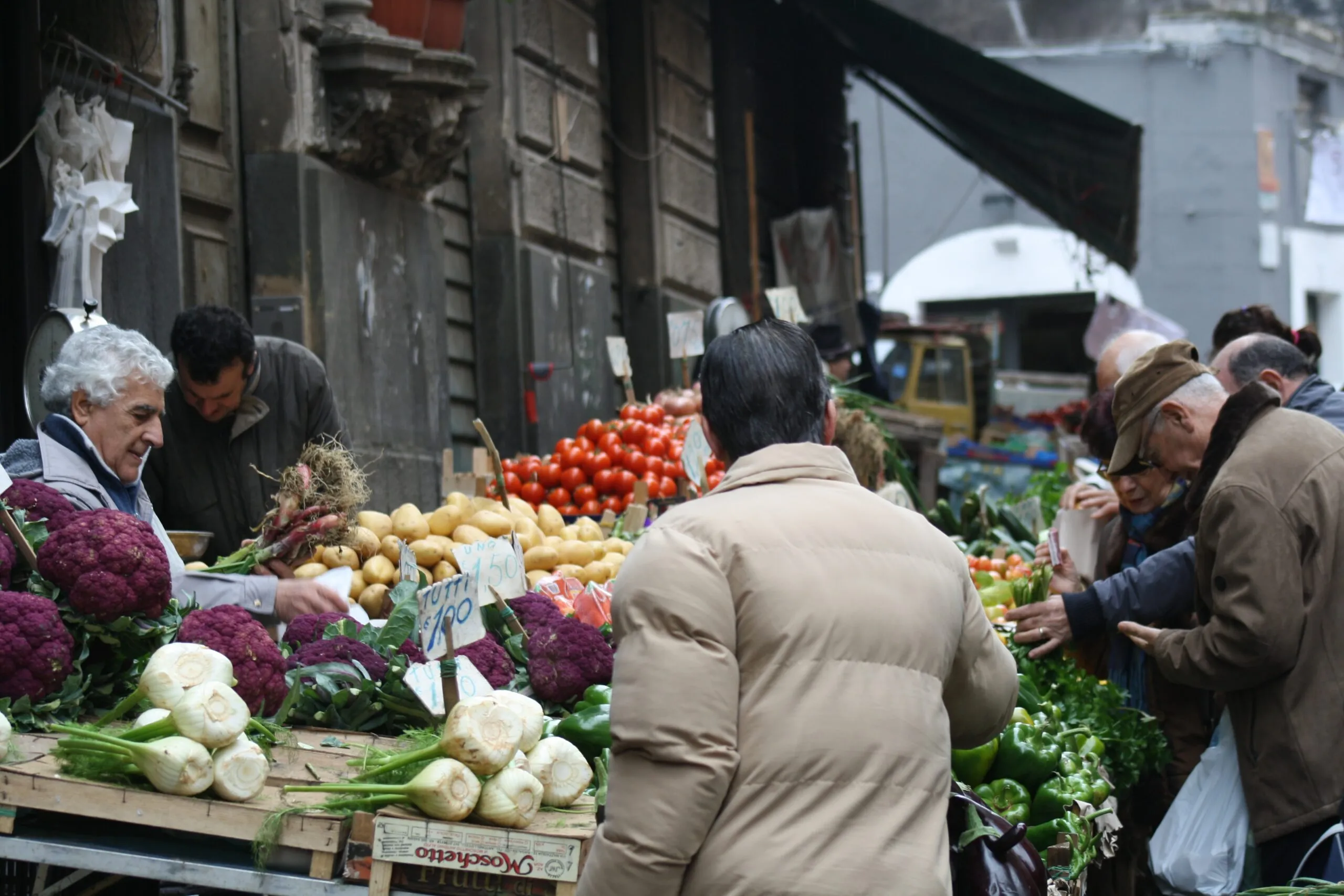
Every region has its own cuisine
There is no single “Italian food”: each region has its own cooking. Neapolitan pizza comes from Naples, ragù alla bolognese from Bologna, pesto from Liguria and risotto alla milanese from Milan. A few curiosities:
- “spaghetti bolognese” is hard to find in Italy: in Bologna, ragù is served with tagliatelle;
- Italians rarely put cheese on seafood pasta;
- a meal follows an order: antipasto, primo (pasta or risotto), secondo (meat or fish) and dolce.
The coffee ritual
Espresso is sacred. Italians usually drink it standing at the bar counter, in a few sips, chatting with the barista or friends. And an unwritten rule: cappuccino is for mornings only. Ordering one after lunch instantly gives you away as a tourist.
Religious festivals and patron saints
Italy has a strong Catholic tradition. Christmas and Easter are celebrated with processions and traditional treats such as panettone and colomba. Every town also has its own patron saint, honoured with festivals full of music, parades and street food.
Gestures that speak
Italians are famous for talking with their hands. There is a gesture for almost everything, and the best-known one worldwide, fingertips pressed together and pointing up, means something like “what do you mean?”.
Art, design and fashion
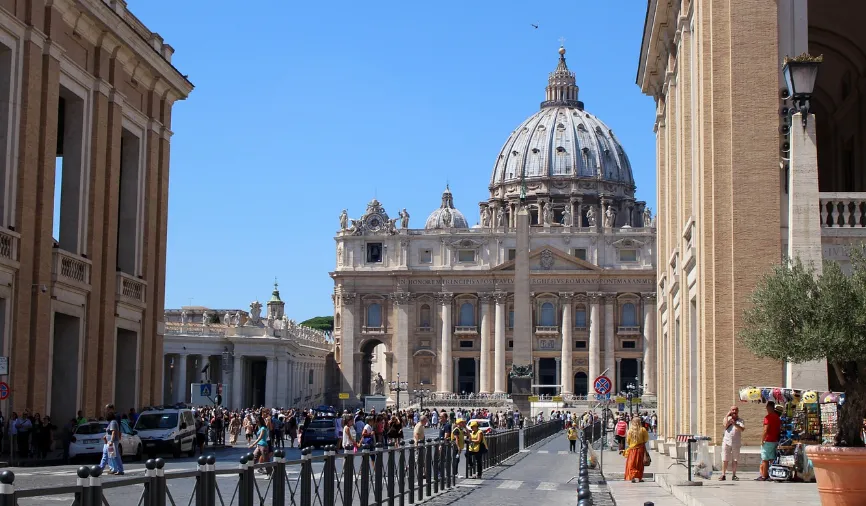
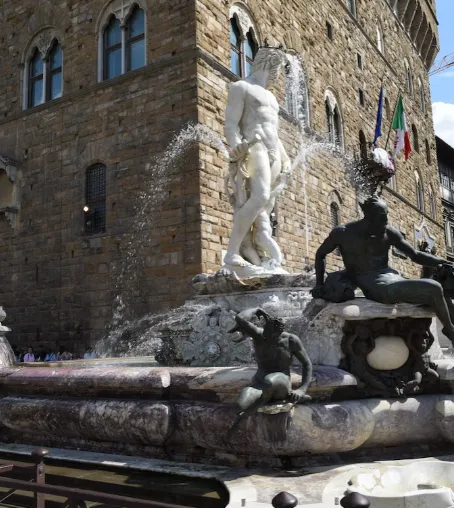
From the Renaissance of Leonardo da Vinci and Michelangelo to the fashion houses of Milan, Italy sets the standard in art and style. Cities such as Florence, Rome and Milan are home to museums, galleries and studios that draw visitors from around the world.
Keep your history alive
Getting to know these traditions is a way of reconnecting with your roots. And if you have Italian ancestors, citizenship may be the next step in that connection. Talk to CFLG to find out whether you qualify.